Beginner’s Guide To Mortgage Protection Insurance
If you have a mortgage on your home and your family is depending on you to make the payments, you may want to purchase mortgage protection insurance. This is a type of life insurance specifically designed to pay off your mortgage in the event of your death, so your family can remain in the home. Some mortgage protection insurance policies also provide benefits in the event you become seriously ill or disabled.
How Does Mortgage Protection Insurance Work?
Mortgage protection insurance (MPI) is a type of term life insurance. You purchase a policy for a set period of time (usually the length of the mortgage) and pay monthly premiums. If you die during the term of the policy, the death benefits are paid directly to your lender to pay off your mortgage. MPI coverage is also available that pays benefits if you become disabled and are no longer able to pay your mortgage. In that case, the insurance company would make your mortgage payments for you. The policy may not cover property taxes and homeowner’s insurance that your lender maintains in escrow.
How Much Does Mortgage Protection Insurance Cost?
For many people, mortgage protection is one of the most affordable types of insurance. Many insurers do not require you to have a medical exam to qualify. Premiums are based on several factors, including:
- Amount of coverage (size of your mortgage)
- Age
- Health
- Tobacco use
How Does Mortgage Protection Insurance Differ From Standard Life Insurance?
MPI and term life insurance are similar in that they pay death benefits if the policyholder dies within the term of the policy. However, there are major differences in these two types of coverage:
- First, with a term life insurance policy, death benefits remain the same whether death occurs early or late in the term. With mortgage protection insurance, the death benefit decreases as the balance on the mortgage is reduced over the years.
- Second, death benefits with term life insurance are paid directly to your beneficiaries in the event of your death. Your family can use these funds for whatever they need, not just for paying the mortgage. With MPI, the insurance company pays your mortgage lender, not your beneficiaries.
When Should You Get Mortgage Protection Insurance?
If you have health issues, you may not qualify for competitive rates for standard life insurance. In this case, mortgage protection insurance may be an option, as a physical exam is not generally required. This coverage is typically affordable and can be combined with other life insurance policies, such as coverage provided through your employer, to help protect your family in the event of your death or disability. With an MPI policy, you have assurance that your mortgage will be paid off if you die within the policy term.
Mortgage protection insurance can give you peace of mind knowing your family home will be paid for if something should happen to you. It is generally affordable coverage that requires no medical exam. However, depending on your circumstances, it may not be the best option for you. Our friendly agent can advise you on how to get the best value for your life insurance dollars.
Essential Insurance Coverage For Online Businesses
Insurance is low on the list of priorities for many online businesses – and this could be a mistake. The truth is, online businesses face unique threats that could lead to loss of income, or the loss of the business itself. If you own an online business, purchasing an insurance policy to provide protection against common risks just makes good business sense.
What Threats Do Internet Businesses Face?
Online businesses face risk of loss related to a variety of factors, including:
- Internet connection loss because of weather, fire, or vandalism
- Hackers and cyber theft
- Computer viruses
- Privacy of customer information
- Copyright violations
- Breach of contract allegations
- Product liability
- Suspension from an e-commerce platform
What Types of Insurance Does an Online Business Need?
The types of insurance your online business needs can depend on the size of your business and whether you have employees. Recommended coverage for an internet business may include:
- Cyber liability insurance: This coverage can protect your business in case of a data breach, whether the information is stolen or leaked. Many cyber liability insurance policies will cover business interruption, computer restoration, ransomware expenses, public relations, and legal fees related to a data breach.
- Commercial general liability insurance: This insurance helps protect your business from third-party liability for property damage or personal injury on your business premises, and from liability for injury caused by any product your business sells. Amazon and other e-commerce platforms require businesses that sell through them to carry commercial general liability coverage.
- Seller suspension insurance: If your online business operates by selling through an e-platform such as Amazon, you are probably aware that your account could be suspended at any time, at the discretion of the platform. Even if you appeal the suspension and win, your business could come to a halt for weeks or even months, causing a significant loss of income. Seller suspension insurance could help cover your losses and expenses involved in getting your account reinstated.
- Chargeback insurance: This coverage is designed specifically for retailers who are paid primarily with credit or debit cards. It protects your business from loss in case of charges made with stolen cards or counterfeit card numbers.
- Workers’ compensation insurance: If you have employees, you need a workers’ compensation policy in case of a work-related accident or illness. Workers’ comp will cover an injured employee’s medical expenses and lost wages from time away from work. It also helps protect your business from potential injury lawsuits filed by employees.
- Employment practices liability insurance: We live in a litigious society. Employees file lawsuits against employers in high numbers in the USA, alleging discrimination, harassment, wrongful termination, and other employment practices claims. If your online business has employees, you should consider purchasing employment practices liability insurance to protect your enterprise against these claims.
Each online business is unique. Our experienced agent will be happy to advise you on the types of business insurance to purchase based on the risks you are facing. We can also help you obtain the coverage your business needs at the best available rates.
Preparing Your Home For The New Year
With all the holiday activities coming to an end, the New Year is a great time to give your home a fresh start. These tips can help you get your home clean, organized, and prepared for the winter months ahead.
Clear Out the Clutter
Christmas decorations, wrapping paper, and odds and ends that accumulate over the holidays and throughout the year can add to the clutter in your home. New Year’s cleaning and organizing projects can give your home a fresher feel. Now is a good time to:
- Wipe down the kitchen walls and ceiling: Use a sponge mop with dish soap and water to clean the ceiling. Use a cloth to wipe down walls and woodwork.
- Turn your mattresses: Vacuum the box springs with an upholstery attachment when you remove the mattress to flip it. Wash your comforters, throws, and pillow covers to give beds a fresh smell.
- Clean out your junk drawers, coat closet, pantry, etc.: When you tackle an area, take everything out, clean all the surfaces, discard unwanted items, and organize and replace remaining items. The best way to start organizing is to make piles of items to keep, throw away, give to charity, return, repair, etc.
Make Sure Your Home Is Safe
Properly functioning smoke and carbon monoxide alarms can help keep your family safe. According to the National Fire Protection Association (NFPA), 40% of home fire deaths occur in homes with no smoke alarms, and 17% occur in homes with non-functioning smoke alarms. Dead batteries are the cause of one-quarter of the cases of smoke alarm failures.
The New Year is an excellent time to test your alarms and replace the batteries. Check the manufacturing date while you’re at it. Smoke detectors should be replaced after 10 years, while CO detectors should be replaced every five years.
Get Ready for Harsh Weather
January and February are the coldest months of the year in many parts of the country. You can stay warmer and save money on energy bills by preparing your home for colder temperatures and winter storms:
- Clean leaves, dirt, and debris out of your gutters.
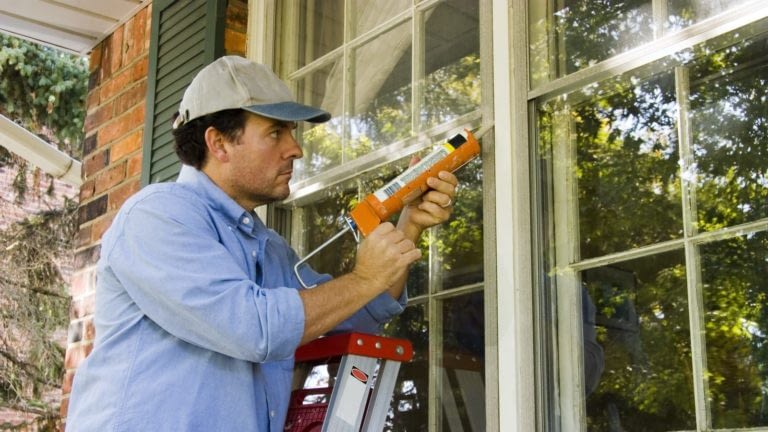
- Weather strip outside doors and windows to help keep heat in and cold air out.
- Get annual maintenance performed on your furnace.
- Clean or replace air filters and humidifiers.
- Install a programmable thermostat (if you haven’t already done so).
- Hang thicker curtains or drapes to improve insulation.
Ensure You Have the Right Home Insurance Coverage
Your home is probably your largest investment. It is also the place where you and your family are likely to spend a great deal of time during the colder winter months. Although you take steps to keep your home safe, anything is possible—from a home fire or brutal winter storm to vandalism or an injured visitor. It makes sense to protect your investment with the right home insurance coverage. Our knowledgeable agent will be happy to review your current policy and help ensure you have the homeowners insurance you need to protect your home and belongings.
Protect Your Packages (And Your Home) During The Holidays
There’s almost nothing more convenient than online ordering – and this year will be a holiday season like no other. With smaller gatherings and social circles, you’ll likely be shipping more packages to friends and family you’d normally see in person over the holidays. Unfortunately, more packages being delivered could increase the risk of package […]
Is It Time To Upgrade My Life Insurance?
It makes sense to purchase life insurance early in life. The younger you are when you buy a policy, the longer you are likely to live and, therefore, the lower your premiums will be. But as time goes by, life changes and other factors can affect your coverage needs. Our experienced agent can review your life insurance policy with you and help you decide if it is time to upgrade.
Factors That Can Affect Your Life Insurance Coverage Needs
Life insurance is there to provide financial protection for your loved ones in the event of your death. Various factors can affect the amount of coverage you need at different stages of life.
Marriage or Divorce
When you marry, your finances are combined with those of your spouse. When you divorce, the opposite is true – your finances are legally separated. Either marriage or divorce could affect the amount of life insurance coverage you need. It is also likely in either event that you will want to change the beneficiaries on your policy. If you are getting a divorce, check with your attorney before changing your life insurance beneficiaries. Some divorce decrees contain stipulations regarding life insurance.
An Addition to the Family
When a child is born into your family, that child will be dependent on you until he or she reaches adulthood. You will want to add the child as a beneficiary on your policy, and it may be a good idea to upgrade your coverage to include future expenses, such as a college education. Whether one parent works and the other stays at home, or both parents are working, it is important to have enough coverage to protect your family’s newest member.
Buying a Home
A home mortgage is a long-term financial commitment. Would your spouse be able to make the payments if something should happen to you, and still cover other important expenses, such as college tuition? If not, consider increasing the amount of your death benefit.
Starting a Business
Entrepreneurship is on the rise in the U.S. If you have joined the ranks of the self-employed and started a business of your own, it may be a good time to upgrade your life insurance policy. The first few months or years of a startup are typically relatively lean. This might leave your spouse or partner in a difficult position if something should happen to you.
Why Your Life Insurance Policy Should Get an Annual Checkup
It is a good idea to review your life insurance coverage once a year. This is a great time to review your income, assets, liabilities, expenses, and risks, and update your entire financial plan, as well your life insurance. Our knowledgeable agent will be happy to review your policy with you, to help ensure your death benefit is adequate and your named beneficiaries are up to date. If you decide you need additional life insurance at this time, we can assist you with adding supplemental coverage or purchasing a new policy.
Car Gift Ideas: 39 Car Accessories, Gadgets, & More
Car gift ideas for commuters Wireless charger: These days, our smartphones are an essential piece of equipment – which can make keeping them fully charged a challenge. A charging pad for the car means they’ll never have to think about plugging in a smartphone. Just place it in the console and the power flows automatically. […]
Does My Building Have Enough Coverage?
Your building is a major asset of your business. As a business owner, it makes sense to have adequate commercial property insurance to protect your investment. No two buildings are alike, and properties may have a higher risk for different perils. Our experienced agent can help ensure you have the business insurance you need.
How Much Commercial Property Insurance Is Enough?
The term “full value” means the cost of rebuilding from the ground up at current prices. If you have your building insured for the cost of the building or the amount you are carrying on your books, it is probably not enough coverage. You should ensure you have enough insurance to cover the real replacement costs in case your building burns to the ground or is a total loss due to a natural disaster. If your goal is to lower your premiums, this can be accomplished by choosing a higher deductible, while maintaining full value coverage.
What Does Commercial Property Insurance Cover?
Commercial property insurance can protect your business property from a range of perils, including fire, theft, vandalism, and natural disasters, such as windstorms. Generally, it protects commercial property in the same way that homeowners insurance protects private dwellings. However, the premiums for commercial property insurance are typically deductible as a business expense.
This type of policy should cover your:
- Building
- Inventory
- Equipment
- Furniture
- Satellite dishes
- Accounting records and essential documents
- Outdoor signage
- Fencing
- Landscaping
- Damage to property of others
Your policy may provide protection against loss of income in case of loss of business property. You will also want to ensure you have third-party liability coverage in case another person is injured on your property.
What Factors Determine Business Insurance Rates?
Several factors can impact your rates for the building coverage you need. They include:
- Occupancy: The type of business occupying a building can affect its fire rating, commercial property insurance rates, and the amount of coverage needed. For example, a restaurant has a higher risk of fire than an office building.
- Construction: If your building is constructed out of fire-resistant materials, you could pay less for business insurance. This is something to consider, if you are adding on or remodeling. Using wood floors, stairways, or partitions can increase your rates.
- Location: If your business is in an extreme weather area, you are at higher risk for damage, which means your premiums are likely to be higher. As cities and towns have fire protection, it could also affect your rates for a building located outside the city.
- Protection: Does your business have a security system, a fire alarm, and a sprinkler system? How far away are the nearest fire station and the nearest fire hydrant? These may be factors in the cost of commercial property insurance.
The best way to determine if your business has adequate building coverage is to sit down with an experienced professional and discuss all the factors involved. Our friendly agent can help ensure you have the commercial property insurance you need at the best available rates.
Do I Need To Insure My Car During Winter Storage?
It is not uncommon to put a vehicle in storage over the winter months. If you are not planning to use your car during the winter, it makes sense to keep it safe and protected from the harsh weather.
It may be tempting to cancel your auto insurance coverage during this time, while your vehicle is not being driven on public roadways. After all, it could save your several months of car insurance premiums. However, there are some major drawbacks to canceling your insurance while your car is in winter storage.
What Are the Disadvantages of Canceling Car Insurance for Winter Storage?
Cons of canceling auto insurance during winter storage include:
- Lender and state requirements: You may not have the option to drop your car insurance if you financed your car. As a condition of your loan, continuous coverage is likely required. In addition, mandatory minimum auto insurance may be required for your vehicle registration to remain valid.
- Gap in coverage: If you cancel your policy when you put your car in storage, it creates a gap in coverage, which makes your auto insurance history look riskier to insurers. This could mean higher premiums when you reinstate your policy.
- No protection for your vehicle: With no comprehensive coverage, you will not be protected from damage that could occur during the period your car is parked in storage. A vehicle does not have to be on the road for mishaps and damage to occur. A roof collapse, a tree falling on the building, fire, theft – anything is possible.
What Are Your Options for Insuring a Car In Winter Storage?
You may be able to reduce your auto insurance premiums without canceling your coverage entirely for winter storage. One way to do this is to lower your coverage amounts. You are not likely to need collision or liability coverage while your car is stored in a garage, as it is virtually impossible to be involved in a wreck under those circumstances. However, some lenders may require borrowers to maintain both comprehensive and collision coverage for the duration of the loan.
Some auto insurance companies offer coverage specifically for vehicles in storage. This type of policy includes only comprehensive coverage, to protect you against damage to your car while is non-operational. Storage coverage is much more affordable than full car insurance coverage, and it keeps a gap in coverage from showing up on your insurance history.
This type of coverage only protects you while your vehicle is in storage. It is a violation of law to drive your car without auto liability insurance. Your vehicle registration could be flagged and suspended if you drop the state mandated minimum coverage. To avoid this, it may be possible to file an Affidavit on Non-Use with the DMV.
If you plan to put a car in storage for the winter, speak with our friendly agent. We can help you obtain the car insurance coverage you need at the best available rates.
The Dos & Don’ts of Employee Performance Reviews
But I thought I was doing so well! I’ve been here for 30 years. You’re just telling me this now? Susan comes in late every day, and she’s never been written up. What gives? Let’s face it: If you’re a business owner or a manager, employee performance appraisals can be uncomfortable. No one likes to […]
Is It Better To Buy A New Or Used Car?
New or Used: Which should you choose? If you think you might be among those shopping for a brand-new vehicle, consider a few pros and cons first: Pros and Cons of Buying a New Car Pros Cons Newer safety features. Customizable. Better warranty. Typically has better fuel efficiency and lower emissions. Typically more expensive to […]